
War of the Weeds
April 10th – May 10th, 2026
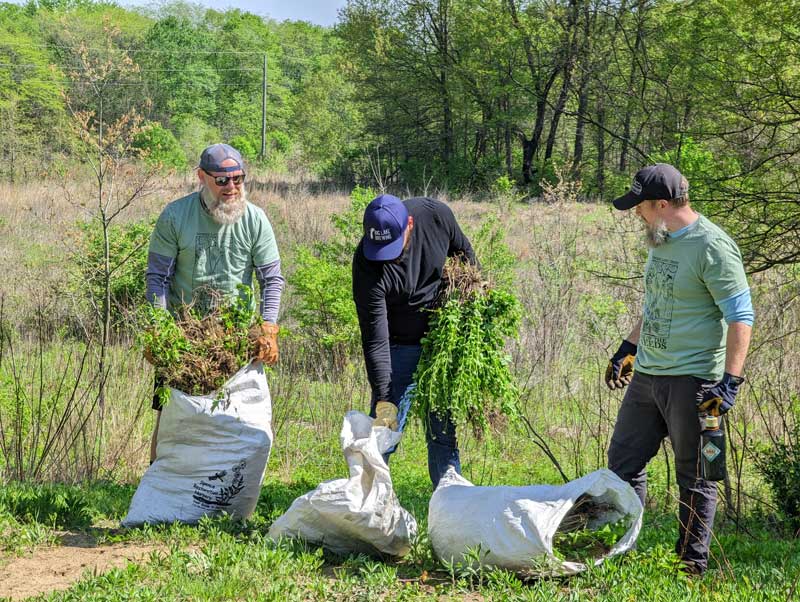
Please join our 7th annual spring volunteer effort to improve native plant diversity in our local woodlands.
From April 10th to May 10th, NICHES will host our 7th annual spring volunteer effort to improve native plant diversity in our local woodlands.
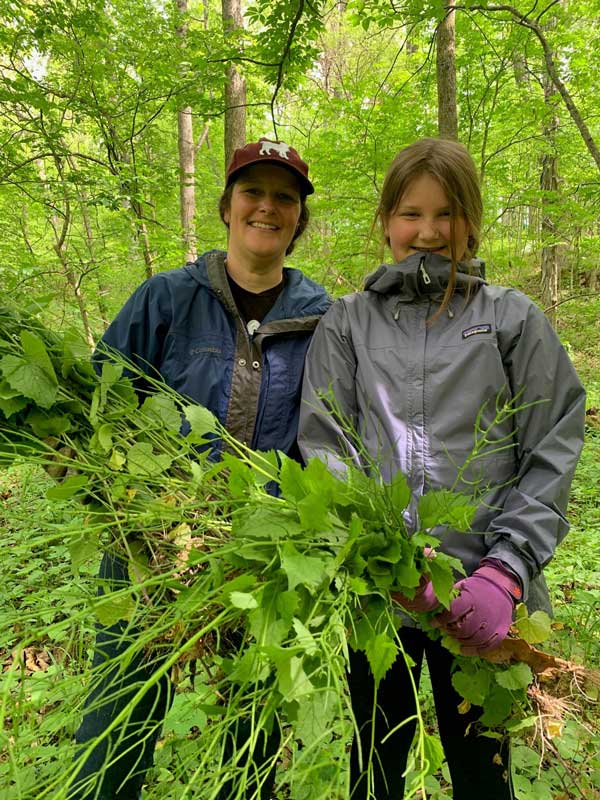
Every spring, the invasive plant garlic mustard emerges across our preserves in large numbers. If left unchecked, this weed can change soil chemistry, overtake the forest's understory, and diminish the beautiful display of native ephemeral wildflowers. With your help, the forest understory will be filled with a diverse mix of plants that provide food and shelter for abundant wildlife.
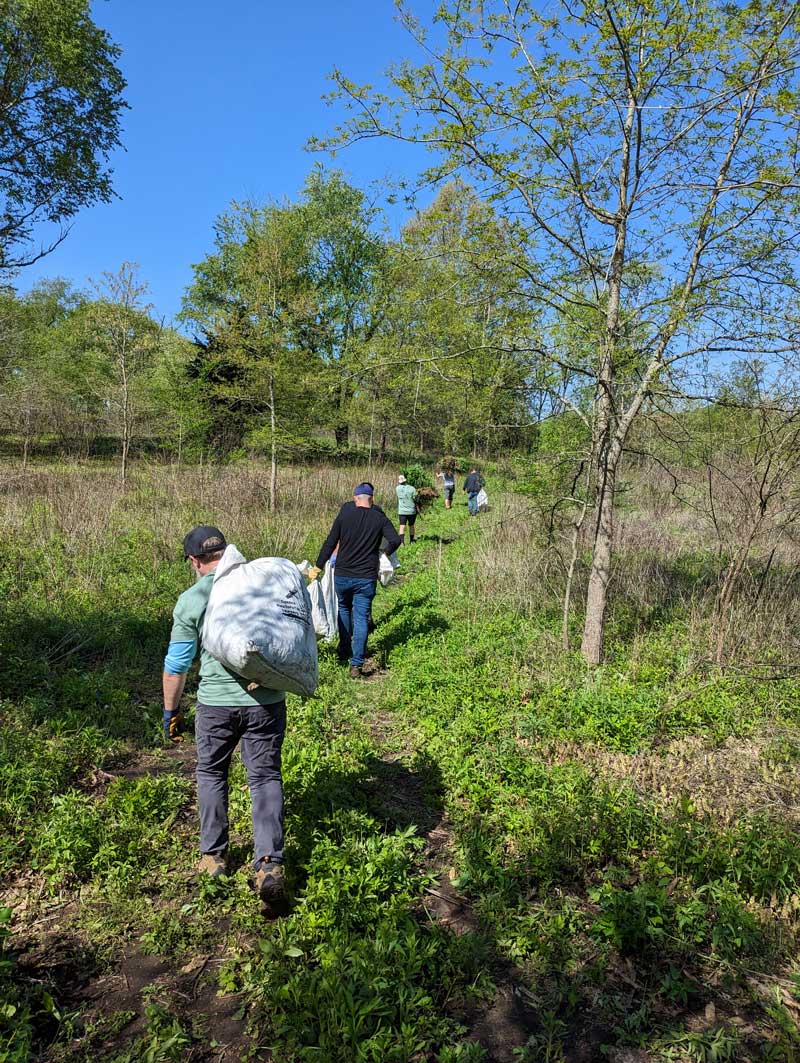
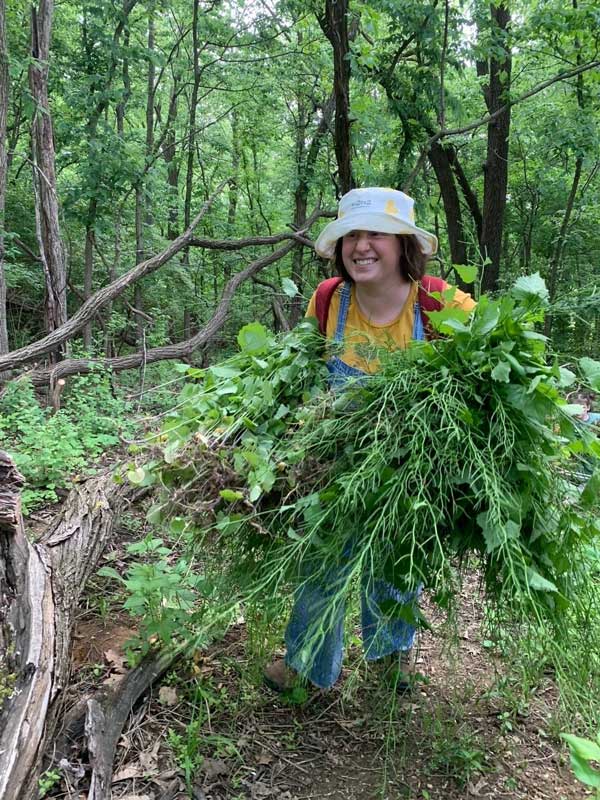
For this year’s effort, we will be hosting 30 garlic mustard pulling shifts at local nature preserves within a 10–50 minute drive of Lafayette. This is our organization's single biggest annual volunteer push; if we can manage to fill every volunteer shift it will provide over a thousand volunteer hours during a critically important stewardship window. Please check out our shift dates/locations and sign-up.
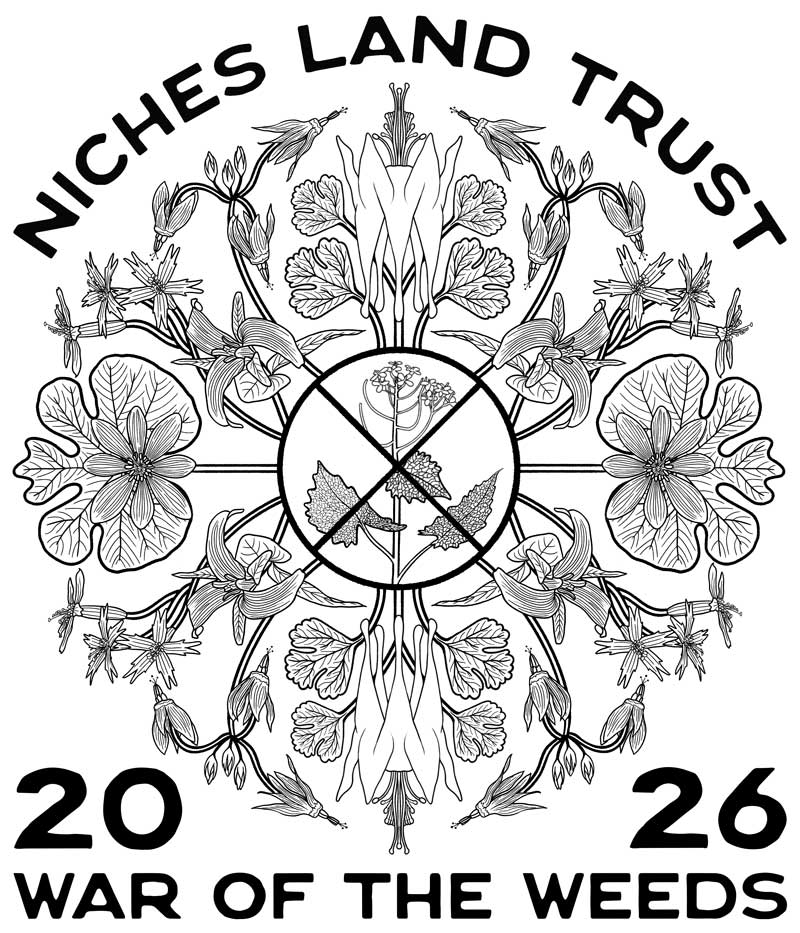
NICHES 2026 War of the Weeds
Volunteer Shift Schedule & Locations:
There are two shifts each day:
10:00 a.m. - 1:00 p.m. and 1:00 p.m. - 4:00 p.m.
Friday, April 10: Bachner Nature Reserve
Saturday, April 11: Weiler Leopold
Sunday, April 12: Fisher Oak Savanna
Friday, April 17: Moyer Gould
Saturday, April 18: Shawnee Bottoms
Sunday, April 19: Fall Creek Gorge
Friday, April 24: Granville Sand Barrens
Saturday, April 25: Warren Piece / Crow’s Grove
Sunday, April 26: Beineke Memorial Forest
Friday, May 1: Granville Sand Barrens
Saturday, May 2: Wright Rock Creek
Sunday, May 3: Frogs’ Glory
Friday, May 8: The Howell Woods
Saturday, May 9: Berkshire Tarnowski Forest Preserve
Sunday, May 10: Shawnee Bottoms
Thank you to our generous sponsor:

What Are Invasive Species?
Invasive species are non-native to the ecosystem in which they reside and are likely to cause harm to the environment or human health. These species have no natural predators or pathogens in their new environment, allowing for rapid growth and expansion which can displace native species. Invasive species are typically, knowingly, or unknowingly, brought to a new environment via human transportation.
Garlic Mustard
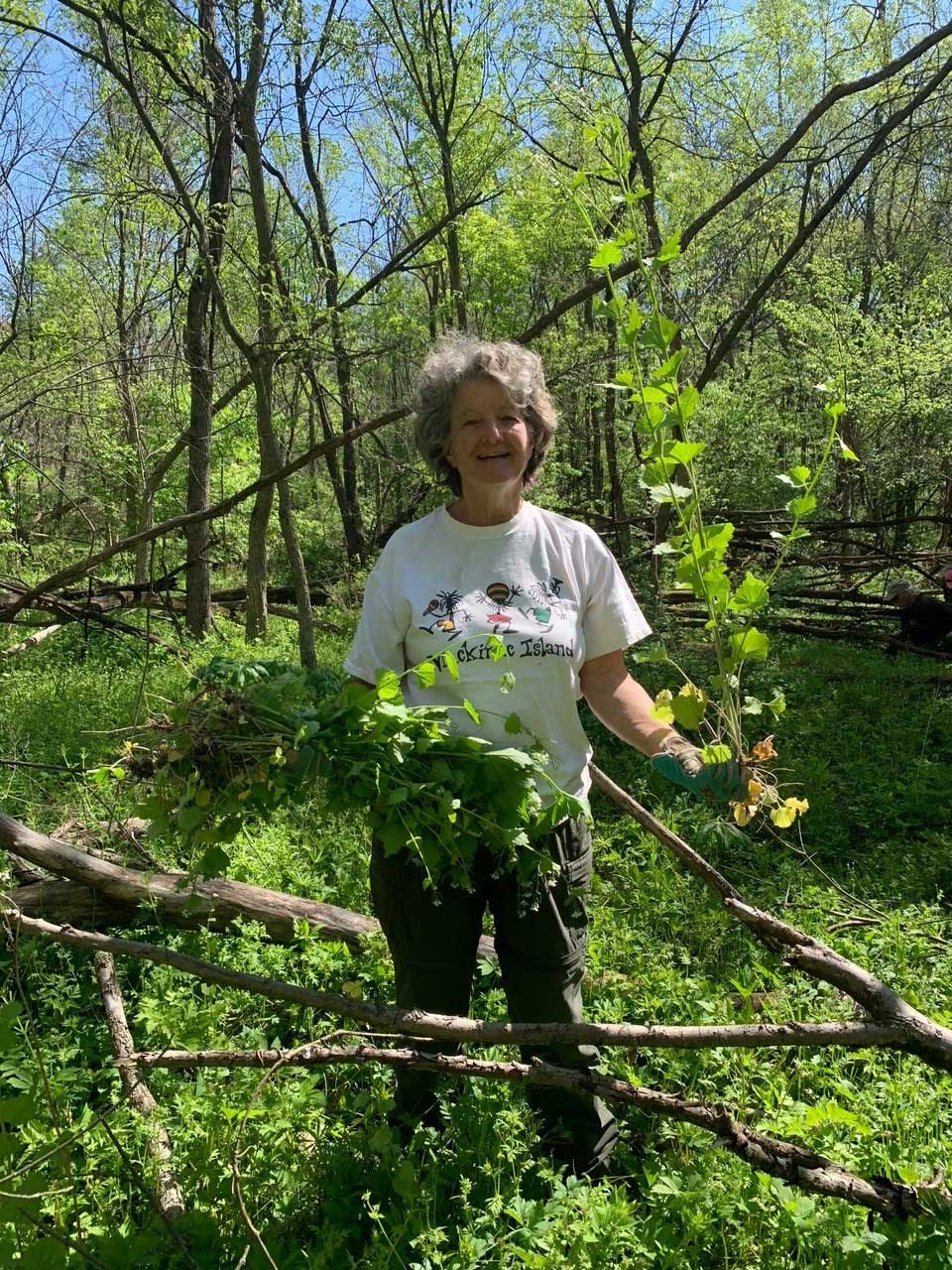
Garlic mustard grows naturally in Europe and parts of Asia. It was brought to Long Island, New York for medicinal and culinary purposes in 1868. Since then, it has “escaped” from its introduction location and has invaded natural areas across the northern half of the United States, particularly in the northeast and the Midwest.
This invasive species is harmful to the local environment because it outcompetes native plants (particularly spring ephemeral wildflowers at NICHES properties) for nutrients, water, and sunlight. It can also release chemicals into the soil which disrupt germination and growth of native plants and fungi. Garlic mustard aggressively disrupts the natural ecosystem and negatively impacts flora biodiversity and fauna food sources.
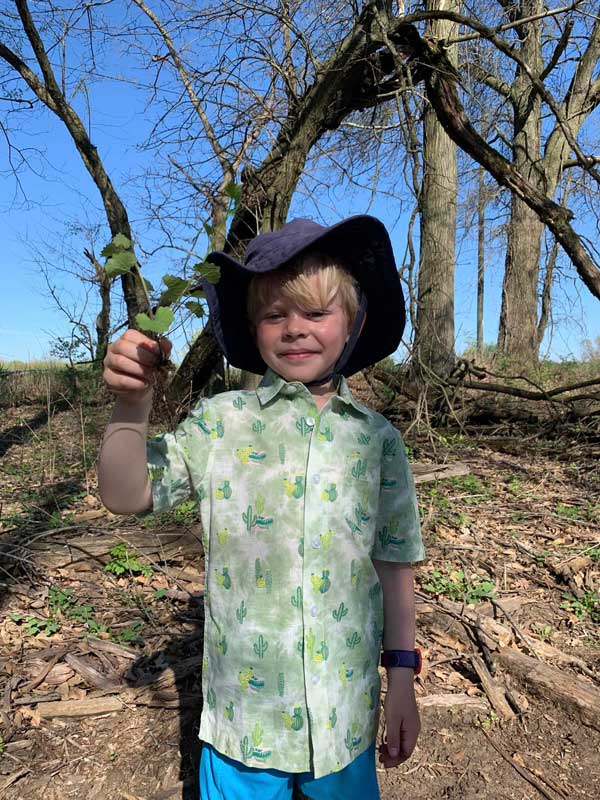
You can identify garlic mustard by its alternate kidney-shaped and scalloped leaves with deep veins, white flowers with four petals, garlic scent when crushed, and smooth stem.